
Tree Removal
Balancing Beauty, Safety, and Environmental Stewardship

Tree Removal Services on Cape Cod
At Alfieri Tree Care, we recognize the intrinsic value trees add to both residential and commercial properties. They enhance aesthetic appeal, contribute positively to the environment, and can even improve energy efficiency. Our approach to tree care is rooted in a deep respect for these natural assets. Our Certified Arborists always consider preservation as the first course of action, aiming to sustain the health and vitality of trees whenever feasible.
However, there are circumstances where tree removal becomes necessary. Whether it’s mitigating risk from a hazardous tree, making room for new construction, or simply enhancing the visual appeal of your landscape, Alfieri Tree Care is equipped to assist with expertise and sensitivity to the ecosystem.
What are some of the instances when tree removal is the only option?
Tree removal may be warranted under several conditions, including:
Health Decline
Trees that are dead or in severe decline pose safety risks.
Irreparable Structural Damage:
Trees with significant structural issues, such as large, unstable branches or a compromised trunk, that pose a safety hazard.
Severe Disease or Pest Infestation
When a tree is so severely affected by disease or pests that it cannot be saved or poses a risk of infecting nearby trees.
Root System Problems
Trees with root systems that are causing damage to foundations, sewer lines, or other underground utilities, where root pruning is not a feasible solution.
Construction and Landscaping Changes
Trees that need to be removed to allow for new construction, renovations, or significant landscaping changes where alternatives like relocation are not viable.
Overcrowding
Removing some trees can provide the space needed for others to thrive.
Dead Trees
Dead trees can become dangerous as they lose strength and become more likely to fall, especially during storms or high winds.
Proximity Issues
Trees that obstruct vision on roadways, interfere with power lines, or are too close to buildings and cannot be safely pruned or relocated.
Invasive Species
Removal of invasive tree species that threaten local ecosystems and biodiversity.
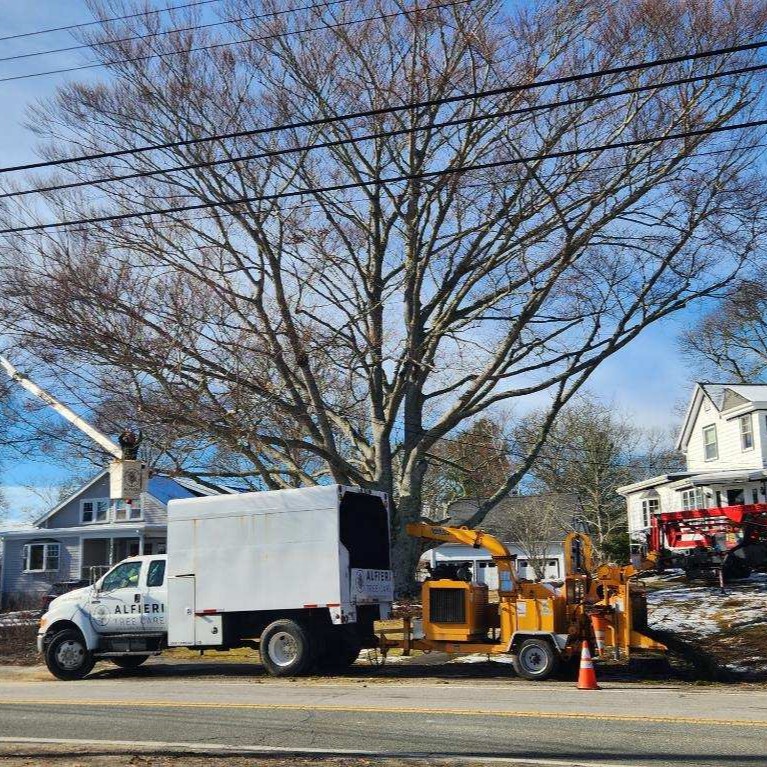

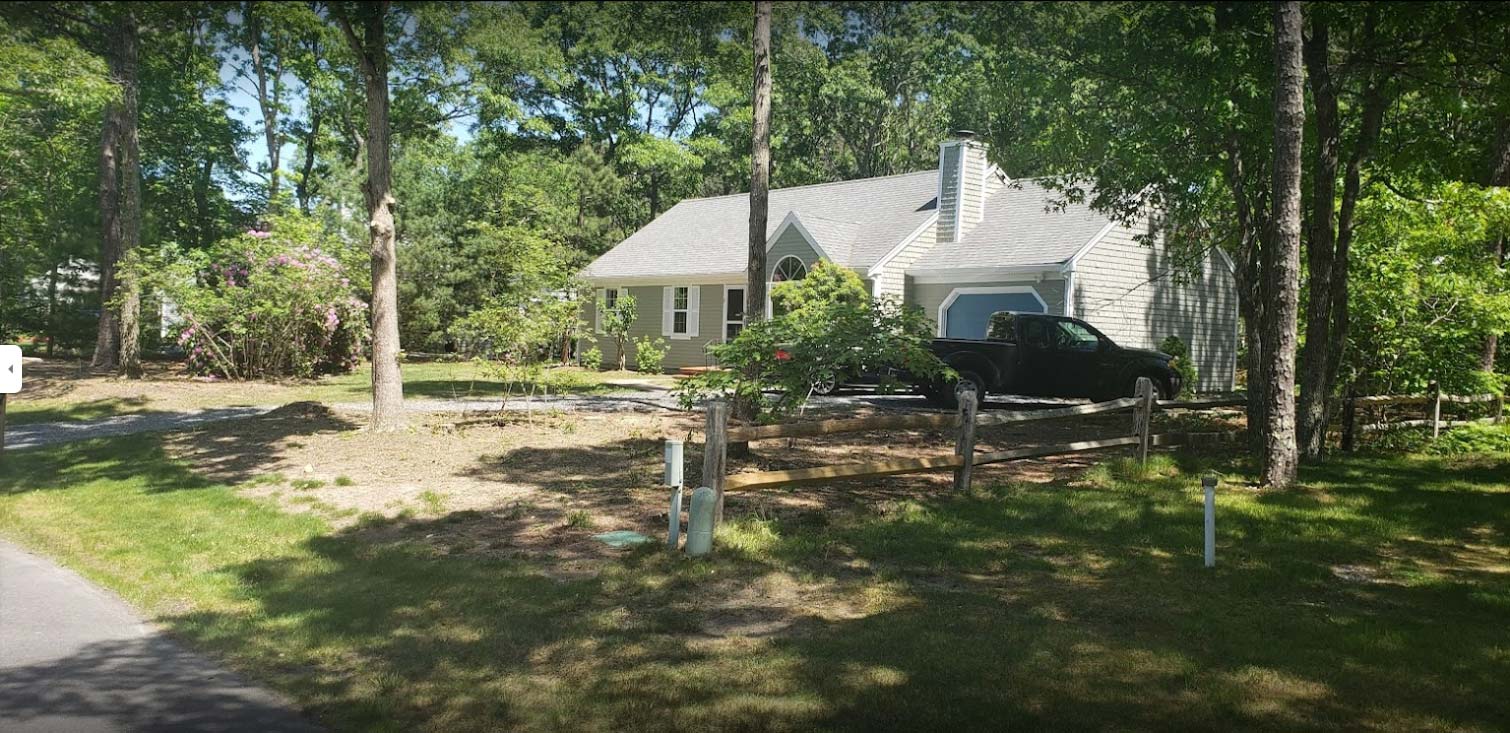

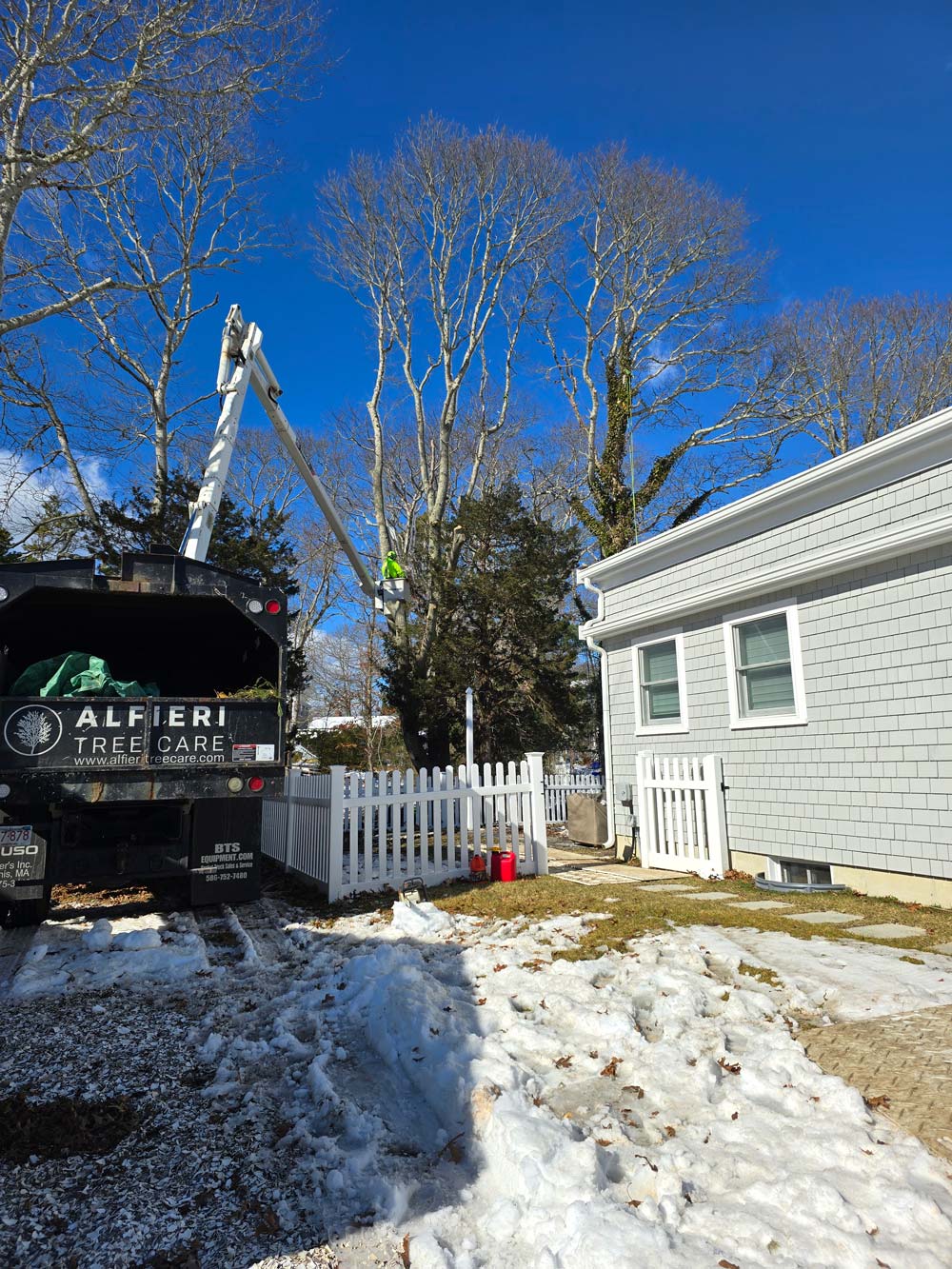

Our Approach To Tree Removal
Alfieri Tree Care’s removal services are thoughtfully designed to respect Cape Cod’s unique landscapes and comply with local regulations. Our team combines over 50 years of experience with cutting-edge technology to manage removals of any scale or complexity safely and efficiently.
Our Tree Removal Techniques
Safety and Precision: Our Guiding Principles
Choosing the most appropriate removal method involves careful consideration of the tree’s size, location, and the surrounding environment. We adhere to the highest industry standards to ensure safety throughout the removal process.
From the initial assessment by our Certified Arborist to the thorough cleanup by our crew, our team operates with utmost professionalism and respect for your property.
At Alfieri Tree Care, we’re committed to delivering a tree removal experience that prioritizes your satisfaction, safety, and the preservation of your landscape’s beauty. Trust us to handle your tree removal needs with the care, precision, and environmental consciousness that your property deserves.
Tree Removal FAQ
What are some factors that determine the cost of tree removal?
- Tree Size: Larger trees require more resources, time, and specialized equipment to remove safely, increasing the cost. The height and diameter of the tree are significant factors.
- Location and Accessibility: Trees located near buildings, power lines, or in hard-to-reach areas pose additional challenges and risks, potentially raising the cost due to the need for specialized equipment or techniques.
- Tree Condition: The health and stability of a tree can affect removal costs. Dead or diseased trees might be more unpredictable to remove safely, requiring extra precautions.
- Required Equipment: The need for specialized equipment like cranes, bucket trucks, or stump grinders can influence the overall cost. The more complex the removal, the higher the equipment costs.
- Permits and Regulations: In some areas, tree removal requires permits, especially for protected species or trees of a certain size. The cost and process of obtaining these permits can affect the overall price.
- Cleanup and Disposal: The extent of cleanup and disposal of the tree and debris can vary. Options like leaving the wood on-site can reduce costs, whereas hauling away and disposing of debris can increase them.
- Additional Services: Services such as stump removal, wood chipping, or splitting logs for firewood are typically not included in the base cost of tree removal and will add to the overall price.
How Long Does It Take to Remove a Tree?
The time it takes to remove a tree can vary widely depending on several factors, including the size and type of the tree, its location, and the complexity of the removal process. For smaller trees, the process might take a couple of hours, while larger trees can require a full day or more, especially if they are located in challenging positions that require careful dismantling to avoid damage to nearby structures or utilities.
Here are some factors that impact the time it takes to remove a tree:
- Tree Type and Age: Larger trees or those with complex root systems take longer to remove. The species of the tree can also affect the time required, as some woods are harder than others.
- Location and Accessibility: Trees in open spaces can be removed more quickly than those close to structures or power lines, which require careful, piece-by-piece dismantling.
- Weather Conditions: Ideal weather conditions can expedite tree removal, whereas adverse weather can delay the process. Safety concerns in bad weather can significantly extend the timeline.
- Preparation and Cleanup: Time must be allocated for setting up the site, including safety measures, and for post-removal cleanup. The extent of cleanup required can vary based on client preferences and site conditions.
- Unexpected Challenges: Hidden decay, bees nests, or unforeseen structural issues within the tree can slow down the removal process as these issues require additional caution and sometimes a change in strategy.
Can you successfully rehabilitate a dying tree instead of removing it?
There are several steps a professional arborist can take to try and save a dying tree. Here are some of the main steps they will take when determining whether or not your tree can be successfully rehabilitated:
- Proper Diagnosis: Identifying the cause of the tree’s decline is the first step. This could involve soil testing, inspecting for pests and diseases, or assessing environmental stress factors.
- Watering: Adjusting watering practices to ensure the tree receives adequate moisture without being overwatered is crucial. Drought-stressed trees may benefit from deep-root watering techniques.
- Nutrition: Based on soil tests, applying the correct type and amount of fertilizer can address nutrient deficiencies and promote health.
- Pruning: Removing dead or diseased branches can help improve the tree’s health by reducing the spread of decay and allowing the tree to focus its energy on new growth.
- Pest and Disease Management: Implementing targeted treatments for pests or diseases affecting the tree. This may involve chemical treatments, biological controls, or cultural practices to mitigate the issue.
- Mulching: Applying a proper layer of mulch around the base of the tree can help retain soil moisture, regulate soil temperature, and reduce competition from grass and weeds.
- Soil Improvement: Aerating compacted soil or adding organic matter can improve soil structure and water penetration, benefiting root health.
- Protection from Stressors: Implementing measures to protect the tree from additional stressors such as lawn equipment damage, salt damage from roadways, or excessive pruning.
CONTACT US TODAY
Alfieri Tree Care is a locally owned and operated specialty tree and shrub care company ready to help you with your Tree Removal needs.
Our goal is to provide high-quality, safe, and environmentally conscious tree and shrub care to homeowners, condo associations, and businesses.
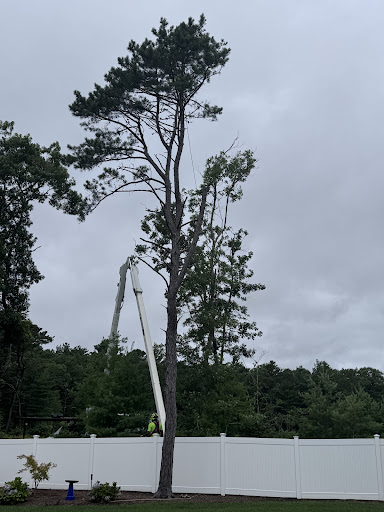


I expected a whole crew, not just two people and three pieces of equipment.
Generally, I don’t take the time to watch other people work.
Megan and Jed, however, were well worth watching. With virtually no verbal communication, they worked as a team seamlessly, and with no wasted motion.
It was really quite impressive.
While we had to wait months for them to get to us, it was well worth the wait. If tree removal were an art form, Megan and Jed would be among the very best.

We have had an excellent experience working with Alfieri Tree Care for our professional tree service needs, including plant health care (PHC), pruning, and tree removal. Their team is knowledgeable, reliable, and consistently provides high-quality work.
They take a thoughtful and proactive approach to maintaining tree health, and their pruning is always done with care and expertise. When removals are needed, they handle the job safely, efficiently, and with great attention to the surrounding landscape.
Communication is clear, scheduling is dependable, and their crews are professional and respectful on-site. Alfieri Tree Care has been a trusted partner, and we highly recommend them to anyone looking for expert tree care services.


They carefully removed the tree on the property line in pieces, without driving equipment or dragging the tree or branches across my neighbor’s lawn.
For the pruning, they accessed the tree via a bucket truck and carefully removed branches one by one not letting even a twig hit my new deck. They were fascinating to watch in action and I was so appreciative of the care they took throughout the process! The guys were all very pleasant, approachable and knowledgeable; I enjoyed chatting with them. They cleaned up meticulously and were in and out in no time. I will definitely use Alfieri Tree Care again!


I was impressed w their adherence to safety protocols. Thank you!
Ellen Hanley


The quote came quickly, we thought it was reasonable. The crew showed up with their equipment looking professional. Quick introduction, they looked at the work had a safety meeting and got after it.
Protection was put on the Lawn to keep from tearing up the area with the track machines. 7 tress removed as well as pruning a tree. They cleaned up as they went and before they left, the place looks great!
Highly recommend this local company. Definitely holding on to their number for future tree removal and maintenance.

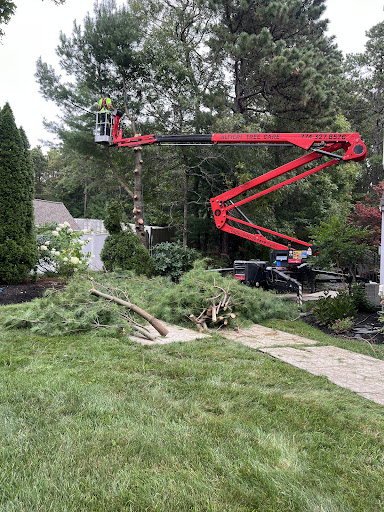
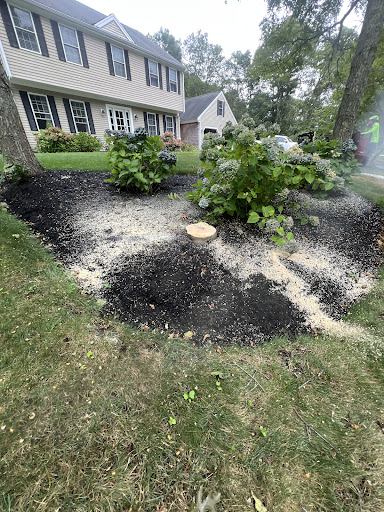

Alfieri tree company.


Dave G. West Harwich


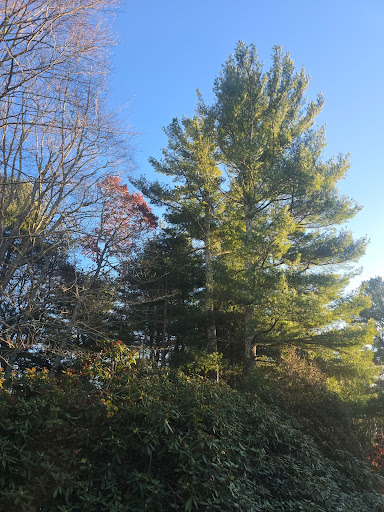


They can accomplish any task you set before them, and Ralph is knowledgeable on everything about Trees and removal if that’s what you need.


David Lawler Osterville


