Winter Moths & Spongy Moth Caterpillars Control
Protect the health and longevity of your plants
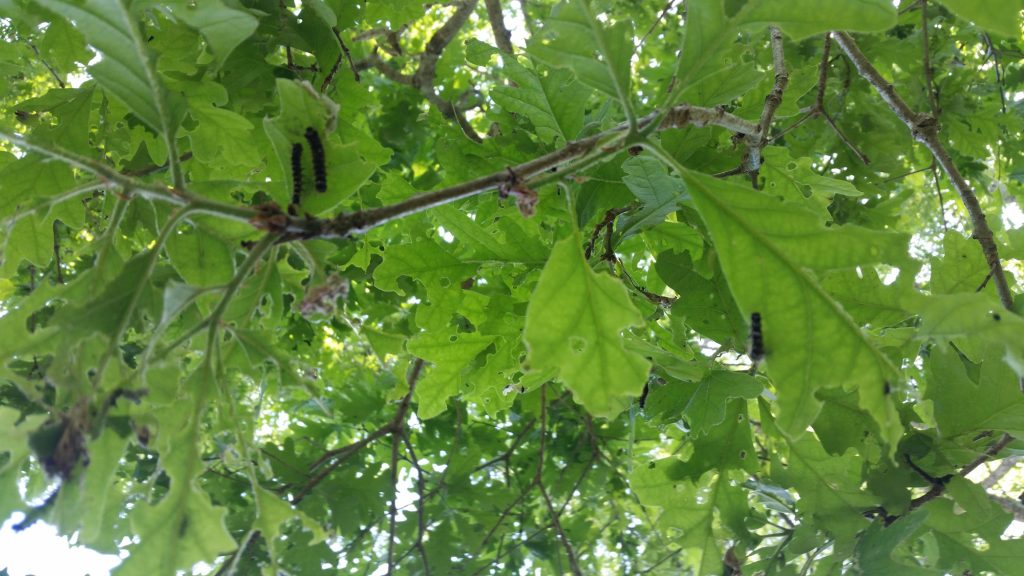
Alfieri Tree Care is at the forefront of combating the dual threat posed by Winter Moths and Spongy Moth (formerly known as Gypsy Moth) Caterpillars, two of the most destructive pests that can afflict trees and shrubs in our landscapes. These pests not only mar the beauty of your green spaces but also compromise the health and longevity of your plants. Our targeted control services are designed to protect your trees and shrubs, ensuring they remain healthy and vibrant throughout the year.
Understanding the Threat
Winter Moths
Winter Moths are a species of moth whose larvae, or caterpillars, emerge in early spring and feed on the leaves of trees. This feeding can severely weaken trees, making them more susceptible to disease and environmental stress. The adult moths, which are seen in late fall, lay eggs that overwinter in the tree bark, leading to a new cycle of infestation each year.

Identifying a Winter Moth Infestation
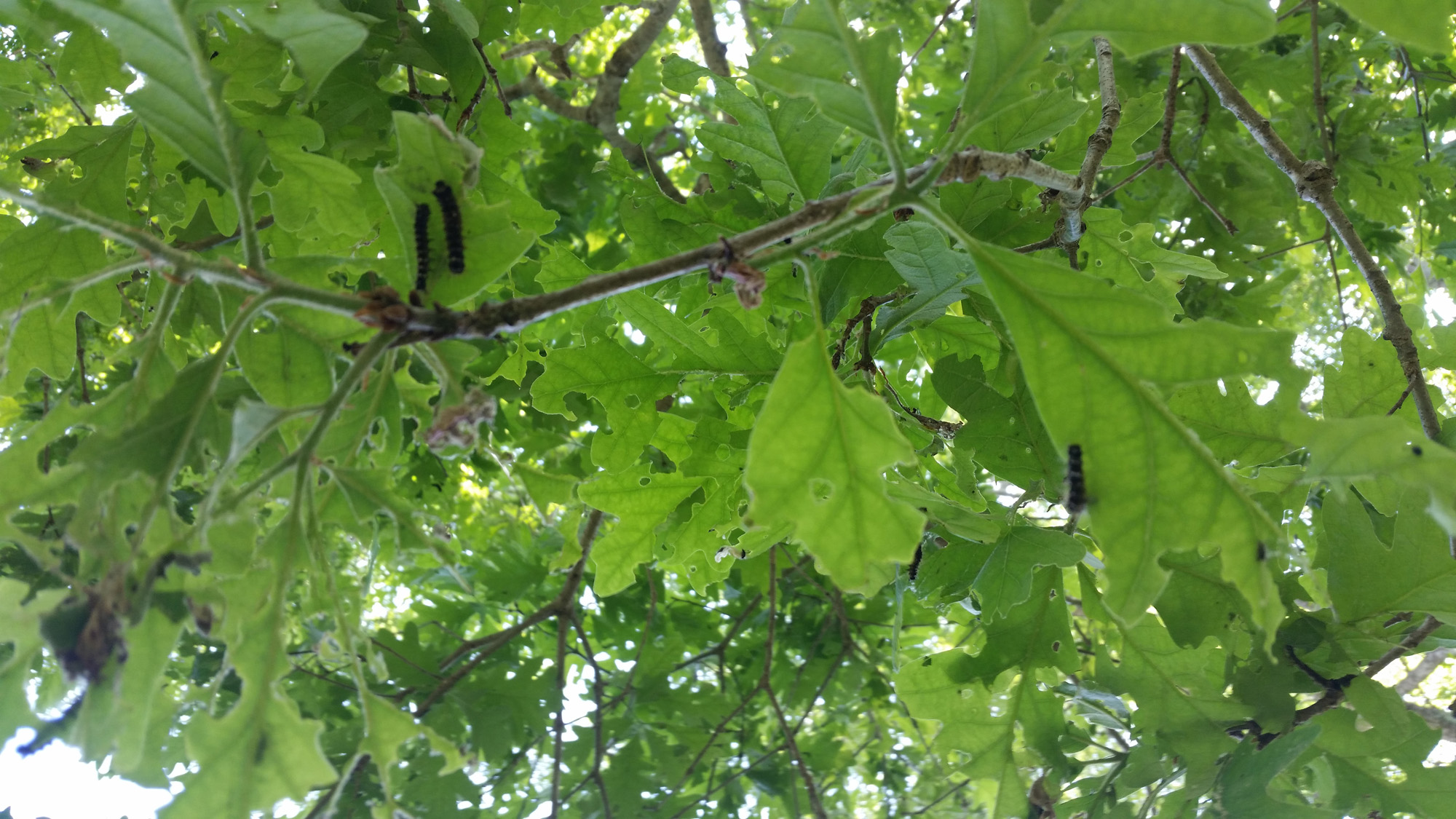
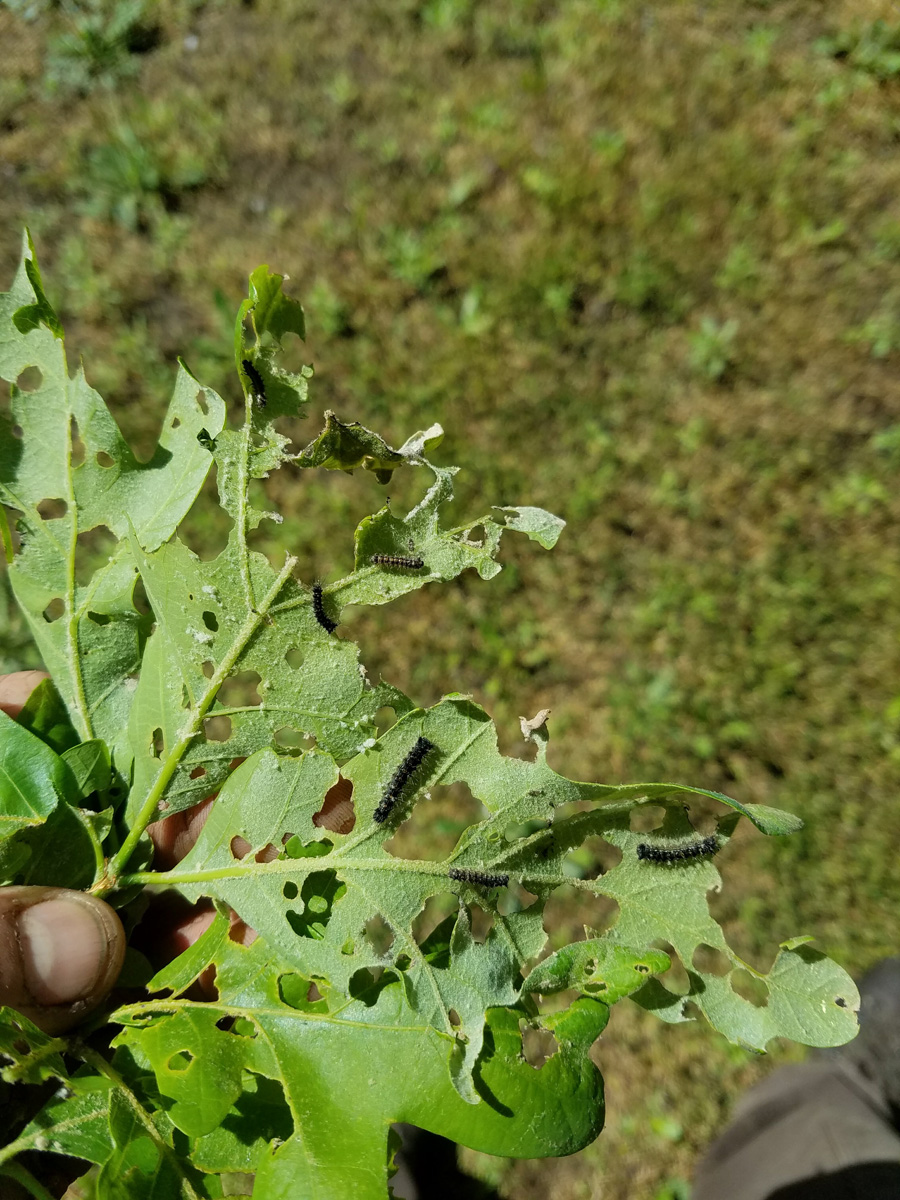
Winter Moths, a significant pest to a variety of trees and shrubs, can cause extensive damage if not properly managed. Recognizing the signs of a Winter Moth infestation is crucial for the timely intervention and preservation of your landscape’s health. Here’s how you can identify if your trees are under threat from Winter Moths:
Spongy Moth Caterpillars
Spongy moth caterpillars are notorious for their ability to defoliate large sections of forests and urban trees, leading to stress, reduced growth, and in severe cases, tree mortality. Their caterpillars feed on the leaves of over 500 species of trees and shrubs, with a particular fondness for oaks and other hardwoods. Early detection and effective management are crucial to mitigate the damage caused by these pests.
How can I tell if I have a spongy moth caterpillar infestation?
Winter Moths, a significant pest to a variety of trees and shrubs, can cause extensive damage if not properly managed. Recognizing the signs of a Winter Moth infestation is crucial for the timely intervention and preservation of your landscape’s health. Here’s how you can identify if your trees are under threat from Winter Moths:
Managing Winter Moth and Spongy Moth Caterpillar Infestations
If your landscape falls victim to Winter Moth or Spongy Moth caterpillar infestations, it’s crucial to act swiftly to mitigate damage and protect the health of your trees. These pests can cause significant defoliation, weakening trees and making them more susceptible to disease and environmental stress. Here’s a comprehensive guide on what to do if you encounter these invasive pests in your garden or landscape:
Immediate Steps
- Consult a Professional Arborist: At the first sign of infestation, contact a certified arborist. Professional assessment is vital for accurate identification and determining the extent of the infestation.
- Mechanical Removal: For low-level infestations, physically removing and destroying egg masses, caterpillars, and pupae can be effective. This method is labor-intensive and is best carried out by a professional.
- Biological Controls: Introduce or encourage natural predators and parasites specific to these pests. Bt (Bacillus thuringiensis) is a biological pesticide that targets caterpillars without harming beneficial insects, pets, or humans.
- Cultural Practices: Maintain tree health through proper watering, mulching, and fertilization to increase resilience against pests.
- Chemical Treatments: In cases of severe infestation, targeted chemical treatments may be necessary. These should be applied by professionals to ensure safety and effectiveness.
Long-Term Management
- Regular Monitoring: Continue to monitor your trees for signs of pest activity, especially during peak times in early spring.
- Preventive Measures: Implement landscape management practices that reduce the likelihood of future infestations, such as diversifying plantings to include pest-resistant tree species.
- Follow-up Treatments: Depending on the severity of the initial infestation, follow-up treatments may be required to manage pest populations effectively.
Winter Moth and Spongy Moth caterpillar infestations can be daunting, but with Alfieri Tree Care, you have a dedicated partner in protecting the health and beauty of your landscape. Our comprehensive approach combines expertise, innovation, and a commitment to environmental stewardship, ensuring your trees remain a vibrant and thriving part of your outdoor space. Contact us today to learn more about our pest management services and how we can help safeguard your trees against these invasive pests.
CONTACT US TODAY
Alfieri Tree Care is a locally owned and operated specialty tree and shrub care company ready to help you with your Tree Removal needs.
Our goal is to provide high-quality, safe, and environmentally conscious tree and shrub care to homeowners, condo associations, and businesses.