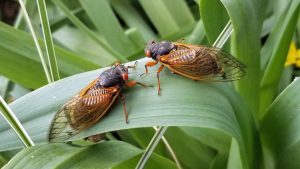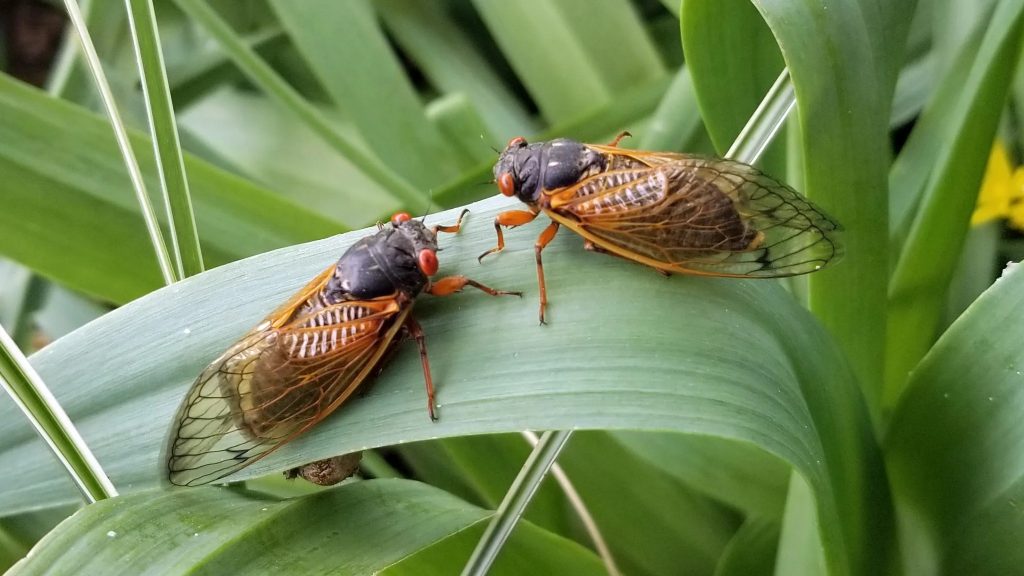
This spring, Cape Cod and southeastern Massachusetts will experience a rare and fascinating natural event: the emergence of Brood XIV periodical cicadas, which only happens every 17 years. Whether you’re a homeowner, landscaper, or design professional, it’s important to understand how these insects might affect your trees and planting plans.
At Alfieri Tree Care, we’re already preparing—and we want to help you do the same.
What Are Periodical Cicadas?
In Massachusetts, our periodical cicadas (genus Magicicada) live underground for 17 years, feeding on root xylem as nymphs. They emerge from the soil, typically at night, as the ground warms in mid- to late May. After shedding their exoskeletons (called exuviae), they become winged adults, ready to mate and lay eggs.
🔎 Note: Not all periodical cicada species follow a 17-year cycle—some species in other parts of the U.S. emerge every 13 years.
After mating, females lay eggs by slicing small slits into twigs of deciduous trees. Once the eggs hatch, the tiny nymphs drop to the ground, burrow in, and begin another 17-year underground cycle.
While periodical cicadas are not harmful to people or pets, their egg-laying can cause significant damage to young trees, especially ornamentals and fruit species under 4 feet tall.
When Will the Cicadas Appear on Cape Cod?
According to UMass Extension, Brood XIV is expected to appear around mid-May through June 2025, once the soil reaches 64°F at a depth of 7-8 inches. You can track soil temperatures for Barnstable county by visiting this website.
Based on information from the Cape Cod Cooperative Extension, residents of the upper or mid-Cape will be most likely see the biggest cicada invasion!
Who Should Be Concerned?
- Homeowners with recently planted or small ornamental trees
- Landscapers and contractors planning spring installs
- Landscape architects and designers working on project timelines or new tree selections
- Nurseries and growers preparing inventory for spring sales
While mature trees usually tolerate cicada activity well, young trees (planted within the last 5 years), saplings and tender new growth are at real risk. Female cicadas cut slits into young twigs to lay their eggs, which can result in:
- Broken or dead branch tips (a symptom called “flagging”)
- Stunted growth
- Aesthetic damage, especially to formal or front-yard plantings
Which Species of Trees Are Affected by Cicadas?
Cicadas prefer to lay their eggs in woody deciduous trees with branches about the width of a pencil—typically between 3/16″ and 7/16″ in diameter. That means younger trees or those with lots of fine new growth are most at risk.
Trees commonly planted on Cape Cod and across southeastern Massachusetts that may experience cicada egg-laying activity include:
Most Vulnerable Species:
- Oak (Quercus spp.)
- Maple (Acer spp.), including red, sugar, and Japanese maple
- Birch (Betula spp.)
- Flowering fruit trees like apple, cherry, peach, and pear
- Eastern redbud (Cercis canadensis)
- Dogwood (Cornus spp.)
- Serviceberry (Amelanchier spp.)
- Witch hazel (Hamamelis spp.)
- American beech and hickory
These species have branch structures that fall within the preferred egg-laying size range. While some are more frequently targeted than others, younger, newly planted trees across all these types may need protection, especially if planted this spring or in recent years.
🧠 Host preferences are still being studied. These observations are based on collective experience, field research, and guidance from university extensions. As mentioned by UMass Extension experts, these patterns aren’t fully understood, but align with what many arborists and entomologists have seen in past emergence years.
Cicadas tend to avoid evergreens like pine, spruce, arborvitae, and cedar, as well as most shrubs and non-woody perennials.

For Homeowners: What You Can Do Now to Cicada-Proof a Cape Cod Landscape
If you’ve planted trees in the last few years, or are planning to this spring, here’s how to protect them:
✅ Cover Young Trees
Use fine mesh netting (no larger than 1/2″) to cover the canopy of young or newly planted trees. Make sure it’s secured tightly below the lowest branch to prevent cicadas from crawling in. Netting needs to be placed on trees prior to cicada emergence (before mid-May), and kept on them for the 4-6 weeks of expected cicada activity… roughly through late June.
✅ Postpone Spring Plantings
If possible, delay planting new trees until after the cicadas disappear in late June. This gives young trees a head start without the stress of egg-laying damage.
✅ Hold Off on Pruning
Avoid pruning in spring (May through June) when cicadas will be active. Instead, plan pruning for mid- to late summer, once the cicadas are gone.
✅ Avoid Insecticides
UMass Extension, Penn State, and Purdue all recommend against chemical control. Insecticides are not effective for cicadas and can harm pollinators and beneficial insects.
For Professionals: Plan Ahead
If you’re in landscaping or design, consider adjusting your spring planting schedules and talking to clients about how to handle potential cicada impact. We are happy to partner with local professionals to:
- Identify vulnerable tree species in your plans
- Net young installs or delay planting where possible
- Consider using larger-caliper stock if planting can’t be delayed
- Educate clients about what to expect and how to manage the visual aftermath
- Monitor cicada emergence through trusted sources like UMass Extension (see below)
🛠️ Working outdoors in cicada-active areas? Be aware that the noise can be intense! Ear protection may be helpful for workers spending extended time onsite.
Nature’s Chorus (and Cleanup Crew)
While cicadas may be loud and a little messy, they’re not harmful to humans and play a role in our ecosystems. They aerate soil, feed birds and wildlife, and enrich your landscape once they die.
🌟 Stay Informed + Help Monitor Cicadas
2025 is a periodical cicada emergence year in Massachusetts! The Massachusetts Department of Agricultural Resources (MDAR) is encouraging residents to take photos and share their observations through iNaturalist.
👉 Join MDAR’s Mass Cicadas: Brood XIV Project on iNaturalist
Follow real-time updates, emergence alerts, and tree care tips:
Follow UMass Extension on Facebook: @umassextlandscape
UMass Extension’s Periodical Cicada Fact Sheet
UMass Extension’s Hort Notes – April Issue (coming soon)
UMass Landscape Message (ongoing updates)
Cape Cod Cooperative Extension – Quick Fact Sheet
Need Help?
Whether you’re a homeowner wanting to protect your backyard trees or a landscape pro managing installs this spring, Alfieri Tree Care is here to help. Contact our Arborists to assess your property, recommend the right protections, or provide support before and after the cicadas come and go.
📞 Call or text us today at (774) 327-8576.