There’s something about the first real stretch of sunny days and warmer temps that makes everyone want to get outside and spruce things up. Whether you’re raking the yard, tidying the garden beds, or planning new projects, spring is the ideal time to check in on your trees and give them a solid start to the growing season.
After months of wind, salt air, and quiet dormancy, your trees are getting ready to wake up—and a little early-season care can make a huge difference in their long-term health, safety, and beauty. Our Spring Tree Care Checklist covers everything Cape Cod homeowners need to know to help their trees flourish this season.
Let’s get into it!
✔ Inspect Trees for Winter Damage
New England winters can be especially tough on trees. Before spring growth begins in earnest, take a slow walk around your yard and inspect each tree closely. You’re looking for:
- Broken or hanging branches that might fall during the next storm
- Cracks in the trunk or major limbs, especially near previous wounds or pruning cuts
- Signs of leaning or instability, which could indicate root damage or shifting
- Dead limbs or canopy dieback, areas that didn’t leaf out last year and may need removal
If anything looks off or unsafe, it’s best to give one of our Certified Arborists a call for a professional assessment. A trained eye can catch hidden problems early and recommend the safest, most cost-effective solutions.
✔ Clean Up Around Tree Bases
It’s amazing what accumulates around the base of trees over the winter… twigs, old leaves, leftover mulch, even salt or sand runoff from roads and driveways.
Clearing this debris out does a few important things:
- Improves airflow to reduce fungal and bacterial issues
- Discourages rodents and insects from nesting near tree trunks
- Gives you a clear view of any root flare, cracking bark, or early signs of disease
Pro tip: while cleaning, avoid nicking or damaging the bark around the trunk, it’s a tree’s first line of defense against pests and decay.
✔ Mulch the Right Way
Mulch is one of the easiest ways to boost your tree’s health—but only when it’s applied correctly.
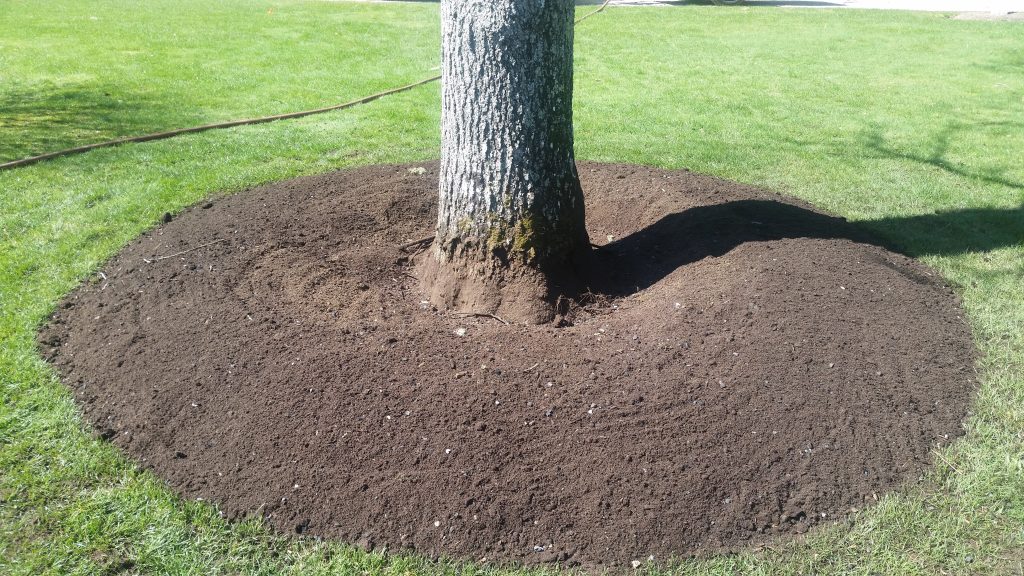
✅ Apply 2–3 inches of mulch in a donut shape around the tree
❌ Avoid piling mulch directly against the trunk (“mulch volcanoes”)
✅ Use organic mulch like shredded bark or wood chips
❌ Skip dyed or rubber mulch, which can retain heat and cause issues
Mulch helps retain moisture, regulate soil temperature, and suppress weeds—all things your trees appreciate as the weather warms up.
If you have trees that are looking tired or struggling to thrive—especially in areas with compacted soil, lawn competition, or past construction—root zone rejuvenation might be a good next step. This process loosens compacted soil, adds organic matter, and encourages new root growth in the critical root zone. It’s a highly effective, science-based treatment we offer for trees that need a little extra help bouncing back.
✔ Schedule Pruning for Health and Structure
Spring is prime time for tree pruning on Cape Cod—especially for deciduous trees like oak, maple, and ornamental cherries.
Pruning helps:
- Remove dead, diseased, or damaged limbs
- Improve the tree’s shape and structural integrity
- Increase airflow and sunlight penetration through the canopy
- Prevent limbs from interfering with roofs, driveways, and walkways
Certain trees—like oaks—should only be pruned during specific times to prevent oak wilt and other diseases, so timing matters. It’s always best to consult a certified arborist before making cuts.
✔ Feed Trees with Targeted Nutrients (if Needed)
Most mature trees in native soil don’t need regular fertilizing. But if your trees are:
- Growing in compacted or disturbed soil
- Located near driveways or construction zones
- Showing signs of stress or nutrient deficiency (yellowing leaves, stunted growth)
…it might be time for a soil test and a seasonal deep root fertilization application.
This process delivers nutrients directly into the root zone, where trees can actually use them—without encouraging excessive, weak growth. It’s especially helpful for young trees and ornamentals that are still establishing.
✔ Watch for Early Signs of Insects or Disease
As the weather warms up, pests and pathogens start becoming active again. On Cape Cod, we see a range of tree health issues in spring, and early detection is key to preventing long-term damage. Keep an eye out for:
- Winter moth caterpillars, which feed on leaves in April and May
- Spongy moth (formerly gypsy moth) egg masses on trunks and branches
- Hemlock woolly adelgid on hemlock trees
- Anthracnose, a fungal disease that affects dogwoods, maples, and oaks
- Scale insects and borers, which can be hard to detect until damage is done
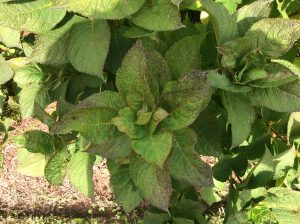
- Beech Leaf Disease (BLD), a newer concern in our area, which causes striping, puckering, and premature leaf drop in American and European beech trees
Don’t ignore early warning signs. If something seems off about your tree’s leaves, bark, or overall appearance, give us a call. We’ll inspect the tree, diagnose the issue, and guide you through your options—whether that’s pruning, treatment, or a full care plan tailored to your property.
✔ Prepare for Storm Season
Cape Cod is no stranger to summer thunderstorms and the occasional hurricane. Spring is the calm before the storm, and it’s the ideal time to identify and mitigate potential tree hazards. Look for:
- Trees with large limbs over roofs, driveways, or power lines
- Signs of root instability, like heaving soil or leaning trunks
- Weak branch attachments or included bark
- Dead or declining trees that may not survive another season
A certified arborist (preferably one with ISA TRAQ credentials) can conduct a tree risk assessment to evaluate the likelihood of failure and help you prioritize what needs attention.
➕ Bonus: Take Stock of Your Landscape Goals
Spring is also a great time to think ahead. Want more privacy from the road? Hoping to add flowering trees for curb appeal? Wondering if that sickly tree is worth saving?
Our ISA Certified Arborist can walk your property with you and develop a long-term plan that keeps your landscape healthy, beautiful, and aligned with your goals.
Let’s Get Growing, Cape Cod!
Healthy trees add beauty, shade, value, and habitat to your property. But like everything else in your landscape, they thrive with a little proactive care.
At Alfieri Tree Care, we’re here to make it easy. Our team is local, professional, fully insured, and led by an ISA Certified Arborist. We offer tree pruning, plant health care, tree risk assessments, and ongoing seasonal tree and plant care for property owners and property managers across Cape Cod.
👉 Ready to book your spring tree inspection or service visit?
Give us a call or send a message—we’d love to help your trees have their best year yet.