If you live or work on Cape Cod, pitch pines are part of the everyday landscape. They line our neighborhoods, edge conservation land, and define much of the Cape’s natural character.
Southern Pine Beetle is now part of Cape Cod’s landscape as well.
First detected in Massachusetts in 2015, for several years, South Pine Beetle activity remained limited. However, in August 2022, the first confirmed cases of tree mortality linked to SPB were documented in the state. By 2023, larger outbreaks had developed in parts of southeastern Massachusetts, including Martha’s Vineyard and Nantucket.
Since that time, the insect has continued to expand its presence within the region and is now being identified in Cape Cod communities. Our arborists have confirmed activity in Osterville, Cotuit, Mashpee, Sandwich, Falmouth and Bourne.
For homeowners, property owners, landscapers, and property managers, this is less about headlines and more about long term awareness. It is not a matter of if Southern Pine Beetle will appear in our region. It is a matter of when it may affect a particular property, managed landscape or neighborhood cluster of pines.
That does not mean alarm… But it does mean informed oversight.
What is Southern Pine Beetle?
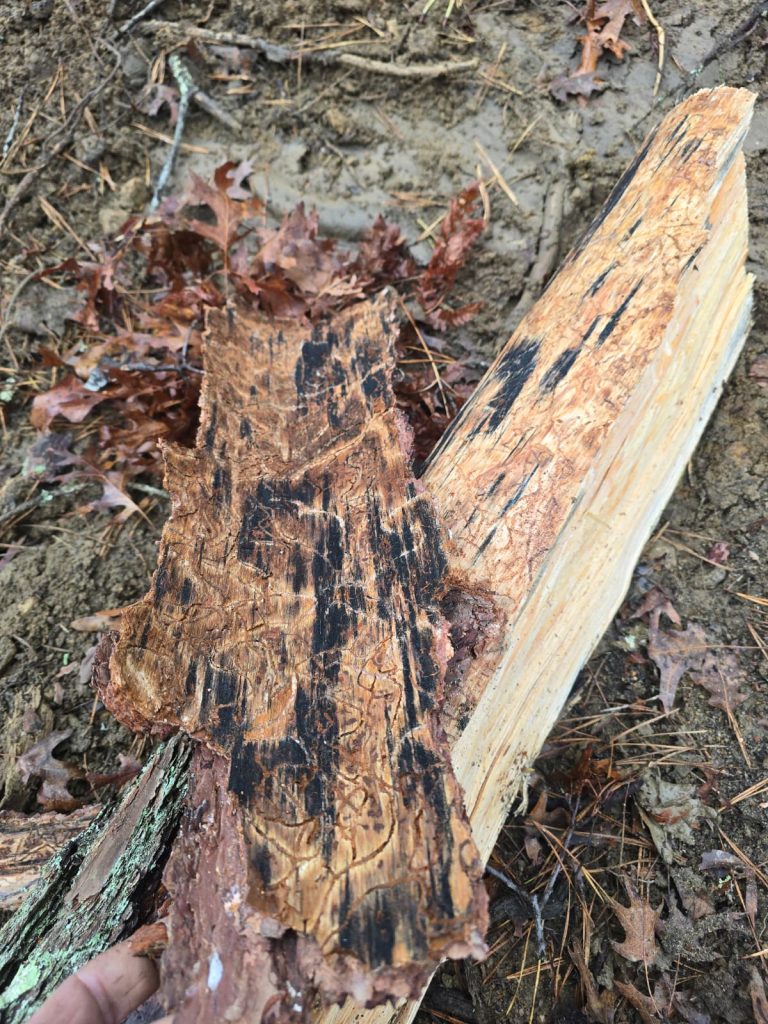
Southern Pine Beetle, or SPB, is a small bark beetle that attacks pine trees by tunneling through the bark and laying eggs. The larvae develop beneath the bark and feed within the tree’s vascular tissue, disrupting its ability to move water and nutrients.
Unlike some bark beetles that primarily target stressed trees, Southern Pine Beetle can kill otherwise healthy pines when populations build. It does this through what is known as a mass attack. Early beetles release chemical signals that attract additional beetles to the same tree. As more beetles arrive, the tree’s natural resin defenses become overwhelmed.
As they tunnel, the beetles often introduce blue stain fungi into the tree’s sapwood. This fungal colonization can further restrict water movement and contribute to rapid decline.
According to UMass Extension, Southern Pine Beetle can produce three to four generations per year in Massachusetts, depending on seasonal temperatures. Warmer winters have increased overwinter survival, allowing populations to persist across southeastern Massachusetts rather than being eliminated by prolonged cold.
On Cape Cod, pitch pine is the primary host species and therefore the most vulnerable in our local landscape. Red pine and Scotch pine may also be affected, and while Southern Pine Beetle primarily targets pines, Norway spruce has been documented as a host in some cases.

Why is SPB Different From Other Bark Beetles on Cape Cod?
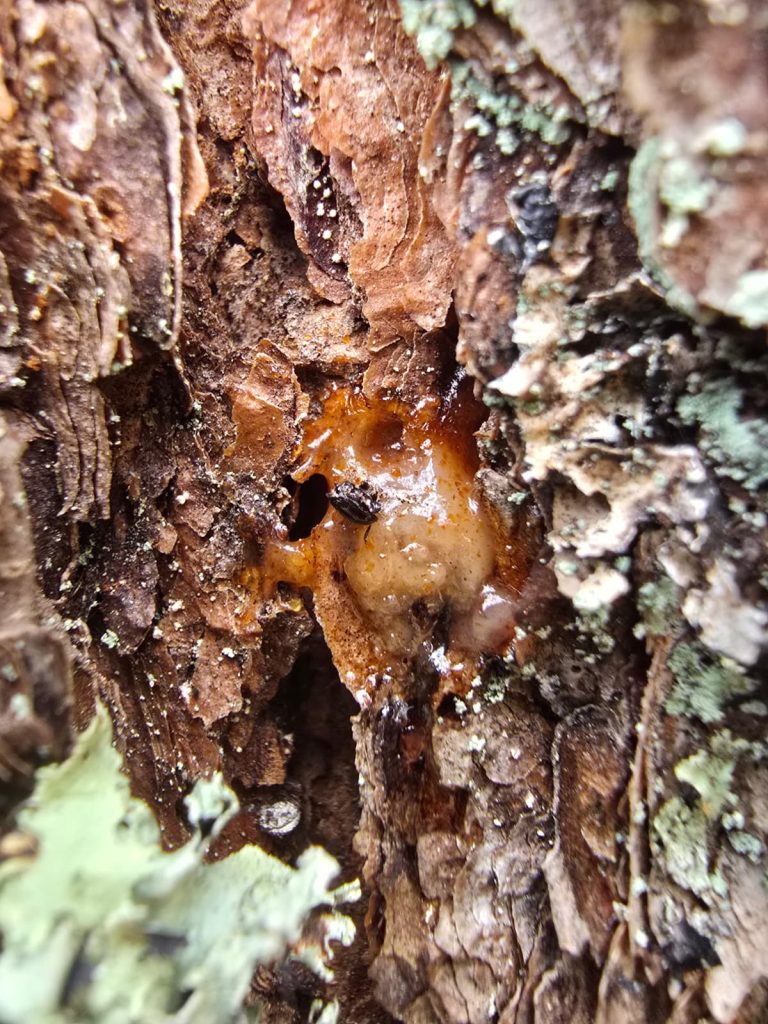
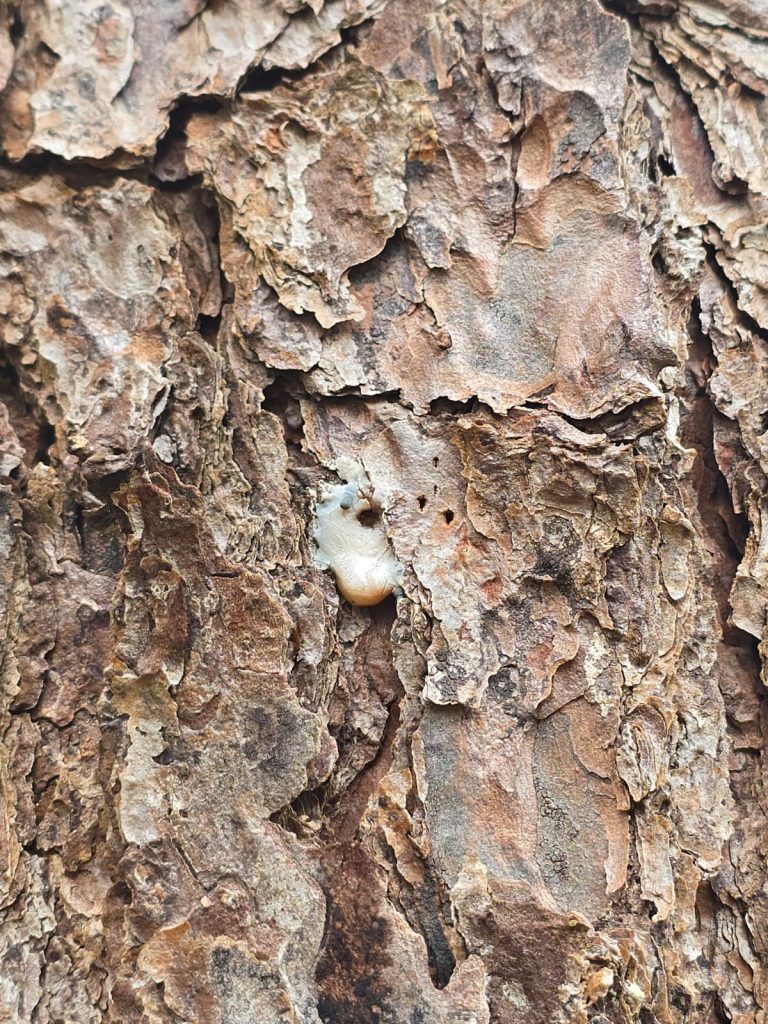
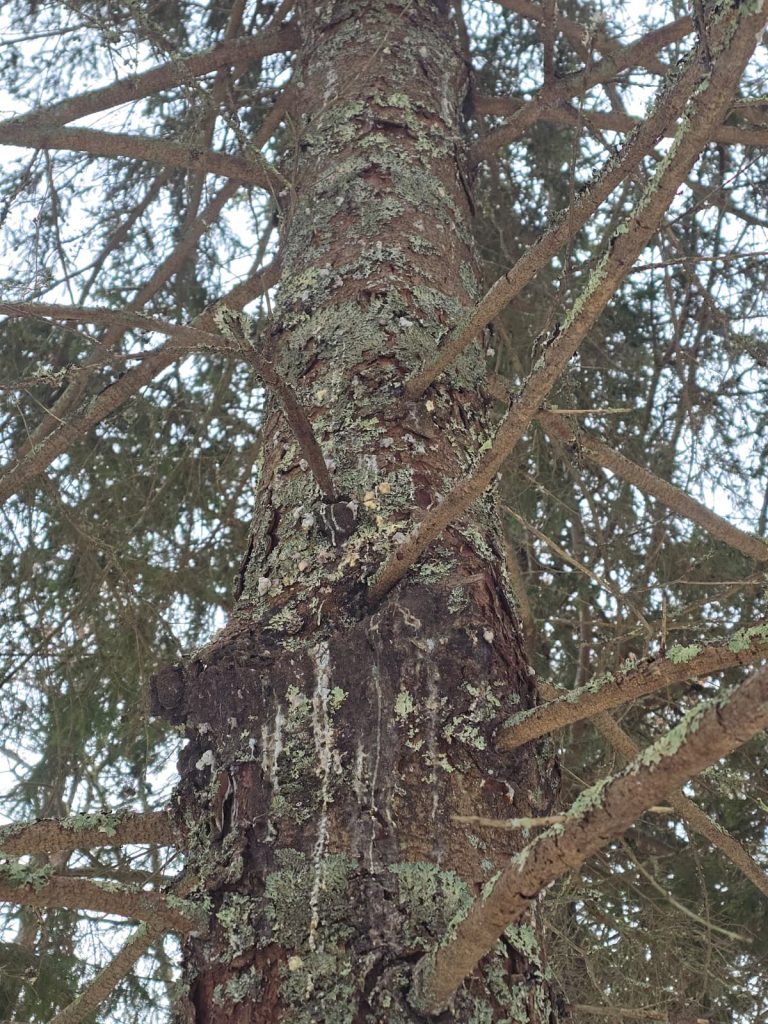
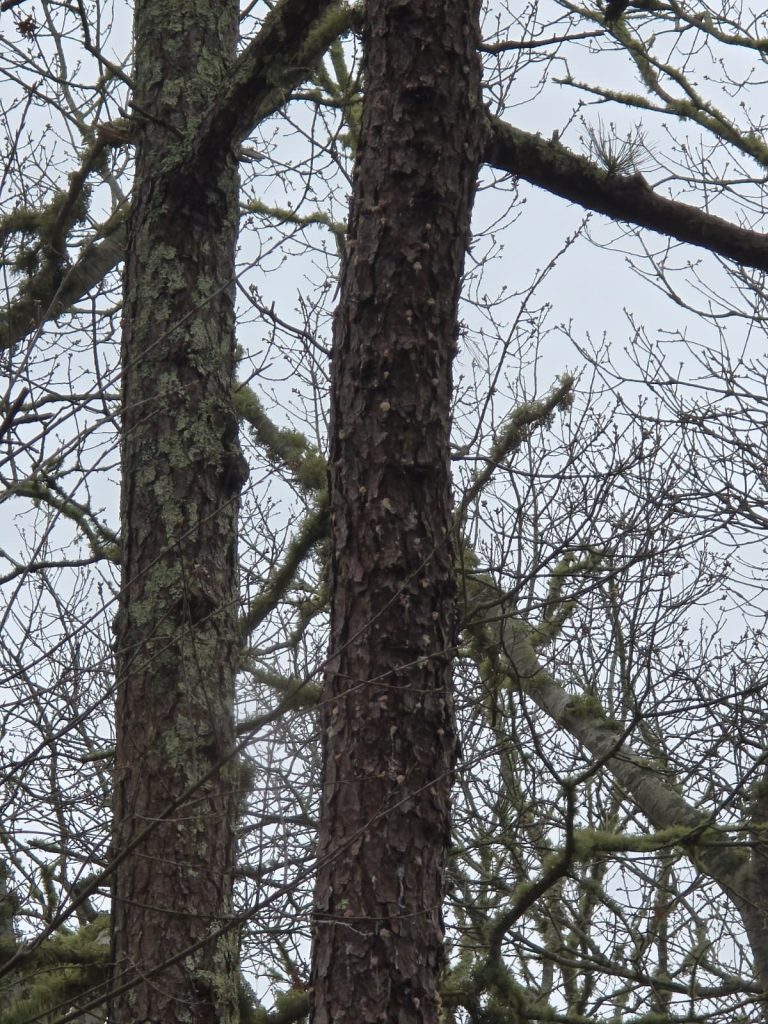
One key distinction is pitch tube size and location. Southern Pine Beetle pitch tubes are typically smaller and found higher on the trunk. Black Turpentine Beetle pitch tubes tend to be larger and more concentrated near the base.
Other bark beetles, including Ips species, can also affect pine trees on Cape Cod, particularly during periods of drought stress. Because symptoms can overlap, proper identification is important before determining the appropriate management response.
Many landscapers and property managers are familiar with Black Turpentine Beetle, which typically targets stressed, weakened or injured trees.
Southern Pine Beetle behaves differently.
It kills trees through mass attack behavior. Infestations often begin in a single pine and expand outward into adjacent trees. Beetles release chemical signals that attract others to the same tree. As more beetles arrive, the tree’s natural defenses are overwhelmed.
Unlike secondary bark beetles, SPB can kill otherwise healthy, mature pitch pines when populations are high.
On properties where pitch pines are grouped together, whether in residential yards, condominium landscapes, or managed open space, SPB’s pattern can allow activity to move from tree to tree.
What to Look for on Cape Cod Properties
If you manage or maintain properties with pitch pines, especially mature trees or grouped plantings, routine observation during the growing season is important.
Signs of Southern Pine Beetle damage may include:
- Multiple pitch tubes along the trunk, often higher up the stem
- Smaller, more numerous pitch tubes compared to Black Turpentine Beetle
- Fine reddish brown boring dust in bark crevices or around the base
- Needles fading from green to yellow to reddish brown
- Rapid crown thinning or browning over a matter of weeks
Even during the winter months, when Southern Pine Beetle is not actively emerging or attacking new trees, evidence of prior infestation remains visible. Discolored crowns, fading needles, and persistent pitch tubes can still be identified while foliage is sparse. Winter is often an ideal time to scout properties, assess overall pine health, and develop a management plan before activity resumes in late spring.
Once heavily attacked, trees infested with SPB can decline quickly.
If you are noticing what looks like pine tree decline in Falmouth, Mashpee, Bourne, or elsewhere on the Cape, it is worth having the tree properly evaluated rather than assuming seasonal stress.
Reporting Southern Pine Beetle in Massachusetts
If you believe you have identified Southern Pine Beetle-infested or SPB killed-trees in Massachusetts, the Massachusetts Department of Conservation and Recreation encourages residents and property managers to report their location through the state reporting form.
Report suspected Southern Pine Beetle activity HERE
Reporting helps state forestry officials monitor activity and track expansion across southeastern Massachusetts.
Why This Matters for Cape Cod Properties
Outbreaks on Martha’s Vineyard and Nantucket have shown how quickly Southern Pine Beetle can spread in clustered pitch pine stands.
Many Upper and Mid Cape properties, including private residences, HOAs, commercial landscapes, and managed open space, contain dense groupings of mature pines. In these settings, unmanaged infestations can expand outward over time.
Proactive monitoring reduces the likelihood of larger scale impact.
A Practical Approach for Property Owners + Managers
Southern Pine Beetle is now part of our local forest health reality. A practical approach begins with awareness and accurate diagnosis.
That includes:
- Periodic inspection of pine trunks during the growing season
- Watching for rapid needle discoloration or thinning in the upper canopy
- Avoiding unnecessary soil compaction or root disturbance around mature pines
- Evaluating dense groupings of pitch pines that may increase stress
- Seeking professional evaluation when suspicious symptoms appear
On larger residential properties, condo landscapes, or commercial sites, management decisions should account for stand density and tree spacing. Coordinated planning is more effective than addressing individual trees in isolation.
For high-value specimen trees, preventative treatment may be considered based on site specific evaluation.
Every property is different. Tree density, overall vigor, site conditions, and long-term management goals all influence the appropriate course of action.

In some cases, removal of confirmed infested trees may help reduce spread to adjacent pines. Because infestations typically begin in one tree and expand outward, early intervention can help limit impact in clustered settings.
Staying Ahead of Southern Pine Beetle on Cape Cod
Southern Pine Beetle is established in southeastern Massachusetts, and continued activity across Cape Cod should be expected over time.
Although Southern Pine Beetle activity typically increases in late spring and summer, winter is a valuable planning window. With beetles overwintering beneath the bark, there is an opportunity to evaluate affected trees, determine whether removal is warranted, and prepare for preventative measures before new generations emerge. Taking action during the off season allows for more measured decisions and avoids reactive removal during peak activity.
That does not mean widespread pine loss across our communities. It does mean that awareness and early evaluation provide the best opportunity to reduce impact at the property level.
Whether you love them or tolerate them, pitch pines are part of what defines the Cape’s landscape and an important part of our ecosystem. Thoughtful, informed management helps protect that character while preserving viable trees for the long term.
Additional Resources
For further guidance and statewide updates:
- Southern Pine Beetle Fact Sheet – Umass Extension
- Mass.gov article on Southern Pine Beetle in Massachusetts
- CapeCod.com – Falmouth Reports Presence of Invasive Pine Beetle
- CapeNews.net – Southern Pine Beetle Reaches Falmouth, Threatening Pitch Pines
The Alfieri Approach to Pine Health on Cape Cod
Effective pine management begins with proper identification and a clear understanding of site conditions. Not every browning pine is Southern Pine Beetle, and not every affected tree requires the same response.
Our approach focuses on diagnosis first. Our Arborists evaluate tree health, stand density, stress factors, and surrounding conditions before recommending removal or treatment. In some cases, monitoring is appropriate. In others, timely intervention helps reduce the likelihood of spread.
If you are seeing unusual pitch tubes, rapid needle discoloration, or general pine decline on your property, a timely evaluation can provide clarity and prevent unnecessary loss. Addressing concerns early often results in more options and more controlled outcomes.
Scheduling an assessment before visible decline accelerates allows for thoughtful, measured decisions that protect both individual trees and the broader landscape.
Contact our office to schedule a professional pine health evaluation and take a proactive step toward protecting your trees and your property.